
The Outro Song soundboard is a short musical cue used to signal the end of a video, stream, or meme clip. It can be upbeat, dramatic, ironic, or intentionally abrupt — depending on the vibe you want to leave your audience with.
Unlike hype intros or jump-scare memes, an outro sound isn’t about impact.
It’s about closure.
It tells the audience:
“That’s it.”
“We’re done here.”
“Roll credits.”
🎧 The Vibe
An outro song can feel:
Clean and professional (YouTube-style end screen music)
Comedic and ironic (cutting to happy music after chaos)
Dramatically cinematic (slow orchestral fade)
Meme-worthy (sudden freeze frame + song starts playing)
The magic happens when the music contrasts what just happened.
Origin & Platform Culture
The concept of outro music became mainstream through platforms like YouTube, where creators standardized end screens with background music and subscribe animations.
Later, short-form platforms like TikTok turned outro songs into comedic punchlines. Instead of traditional credits, creators use music to abruptly end a joke.
By 2026, “play the outro” has become its own meme format — especially after chaotic or embarrassing moments.
Viral Video Editing Playbook (Creative Coaching)
🎯 The Golden Timing Rule
Trigger the outro song:
Immediately after the punchline lands
Right after someone says something wild
On a freeze frame of embarrassment
When chaos peaks
The abruptness is often what makes it funny.
Real-World Scenarios
🎮 Gaming Scenario
Moment: You lose in the dumbest way possible.
Execution:
Instant freeze frame
Cut all game audio
Outro music starts at 0.2 seconds delay
Fade to black after 2–3 seconds
Feels like the episode just ended.
📹 Daily Vlog Scenario
Moment: You confidently give advice… then fail immediately.
Execution:
Quick zoom on face
Smash cut
Outro song begins
Add end screen overlay
Professional irony.
🎭 TikTok Story Scenario
Moment: “And that’s how I got banned.”
Cut.
Outro music starts.
Video ends.
The silence before the music matters.
🎚 Pro Editing Tips
Gain Level:
Keep outro music slightly below dialogue (-6dB if voice still active).
Fade Technique:
Use 8–12 frame fade-in for smooth transition.
End Screen Sync:
Align first beat drop with appearance of end card graphics.
Loop Option:
For streams, set loop if you need background exit music.
Subtlety > volume.
Multi-Platform Technical Guide
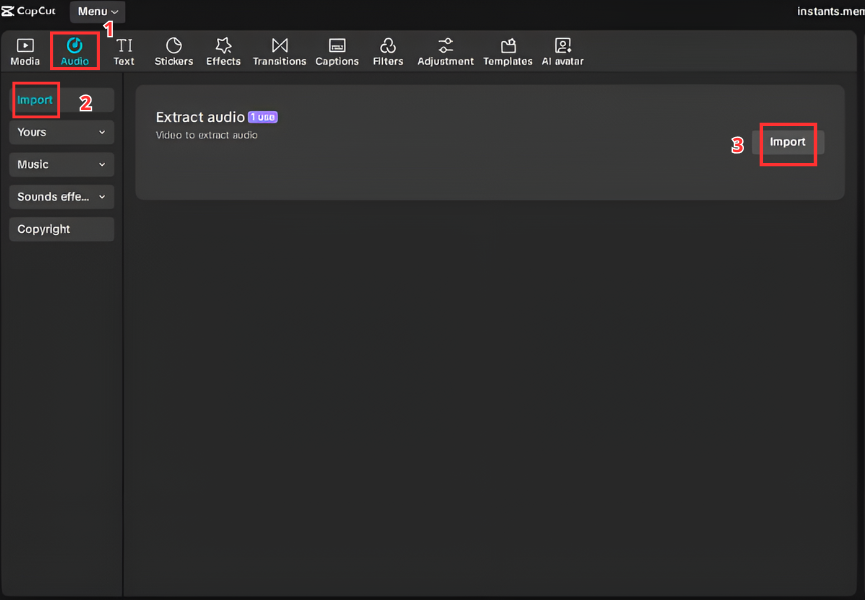
For Video Editors (CapCut & Premiere Pro)
CapCut
Import your project.
Add Outro Song to timeline end.
Trim to 5–10 seconds.
Add fade-out transition.
Insert end screen overlay.
Premiere Pro
Import audio.
Drag to final audio track.
Apply Exponential Fade.
Add end card visuals.
Export.
For Streamers & Gamers (Discord & OBS)
OBS Outro Setup
Add Media Source.
Select Outro Song file.
Enable Loop if needed.
Create separate “Ending Scene”.
Trigger via hotkey.
Discord Soundboard
Upload file in Server Settings.
Name it “Stream End”.
Trigger when leaving call.
Clean exit every time.


For Mobile (Ringtone & Notifications)
Some creators use outro music as:
Alarm tone
Notification sound
Custom closing clip for mobile edits
Android
Move file to Ringtones → Select in Settings.
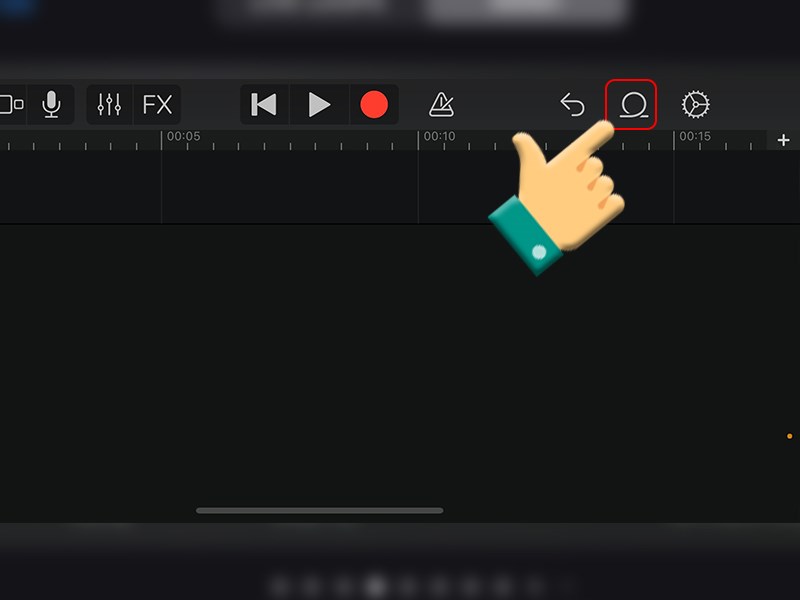
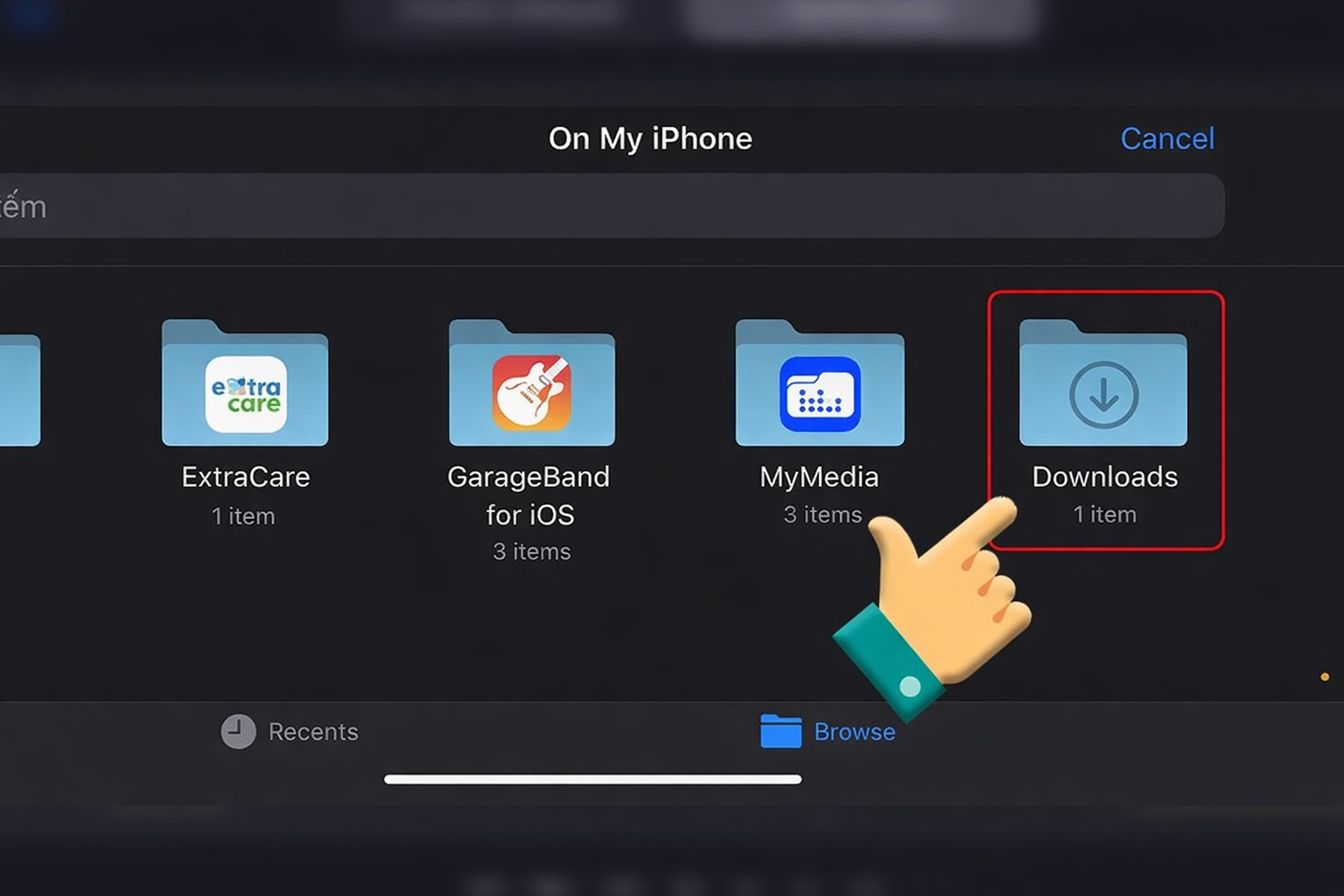
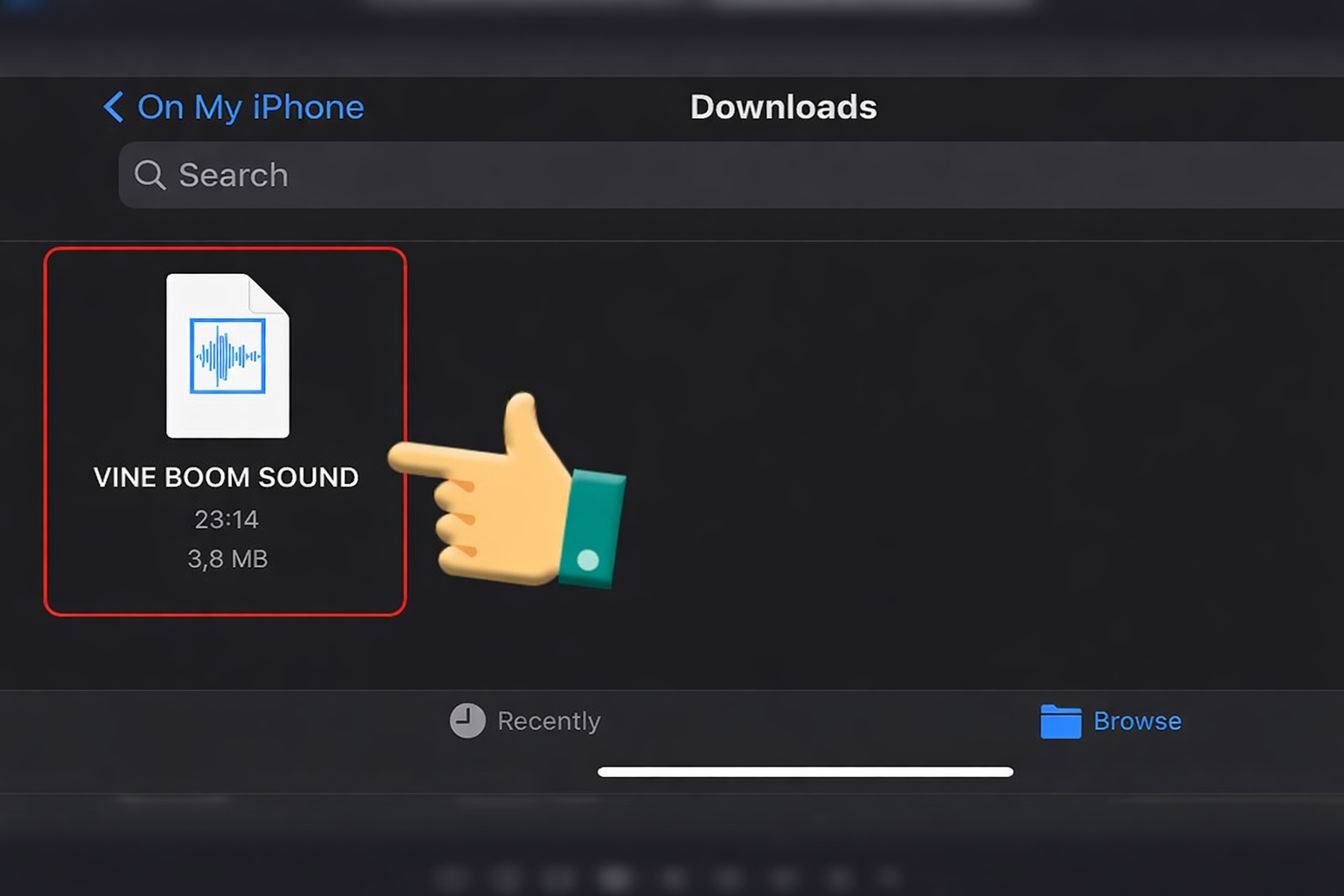
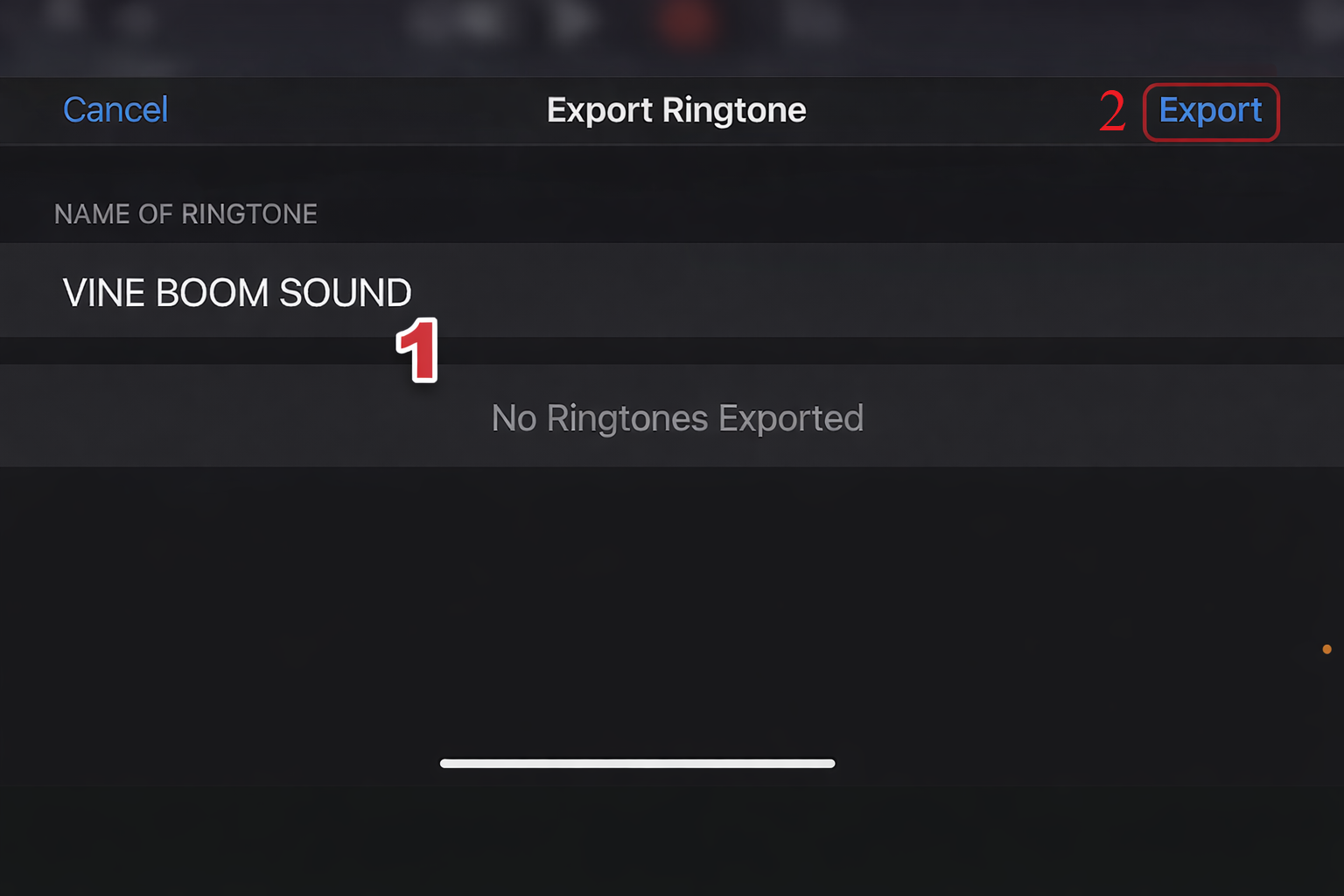
iPhone (GarageBand)
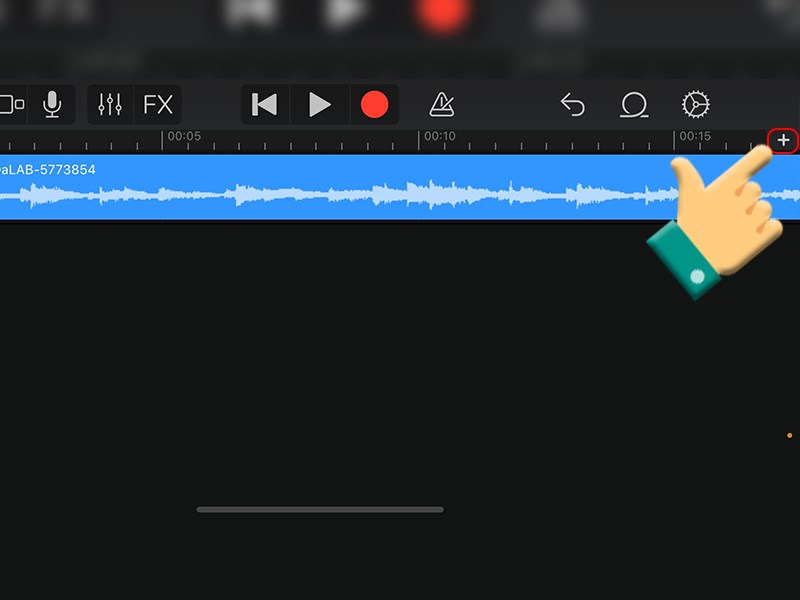
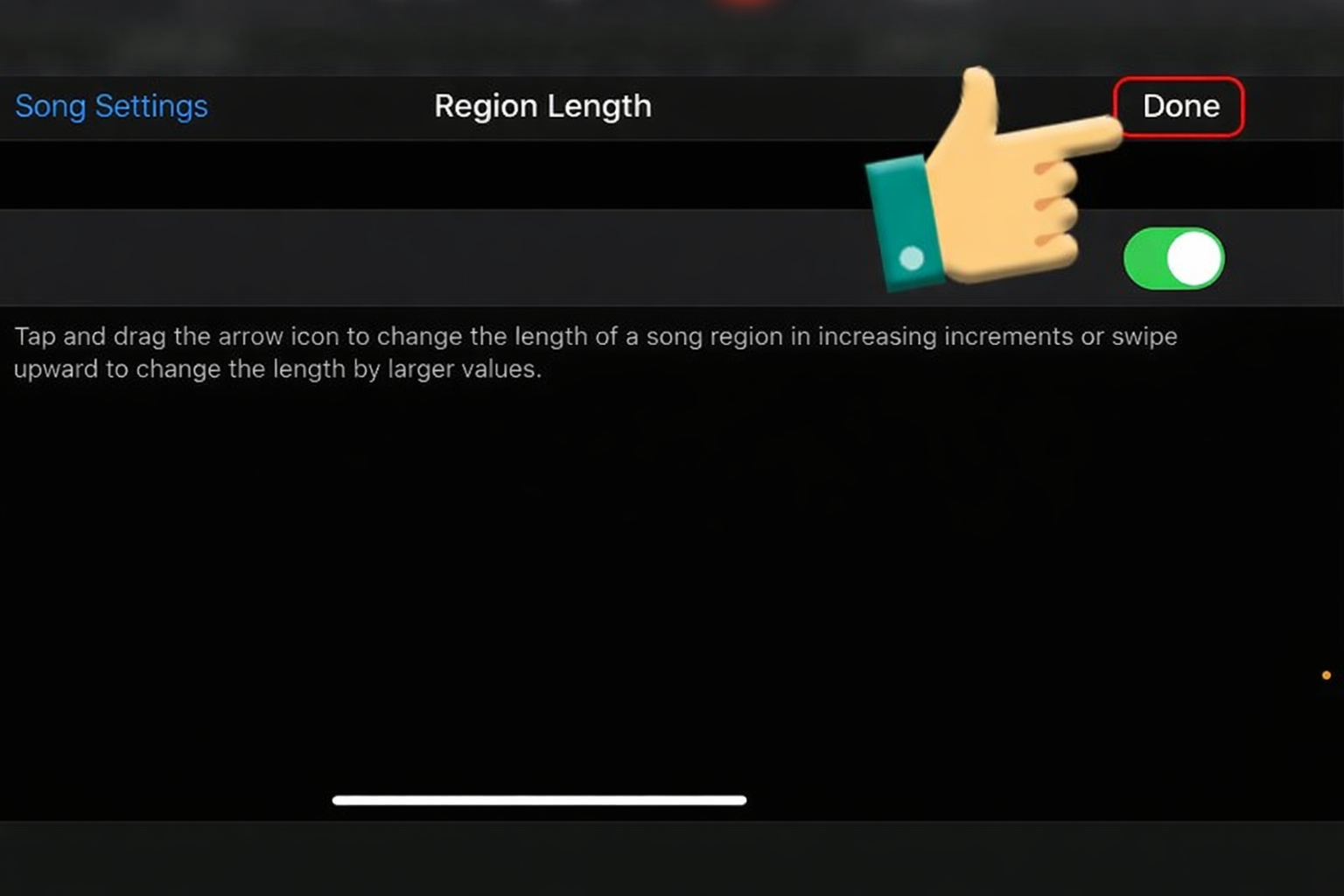
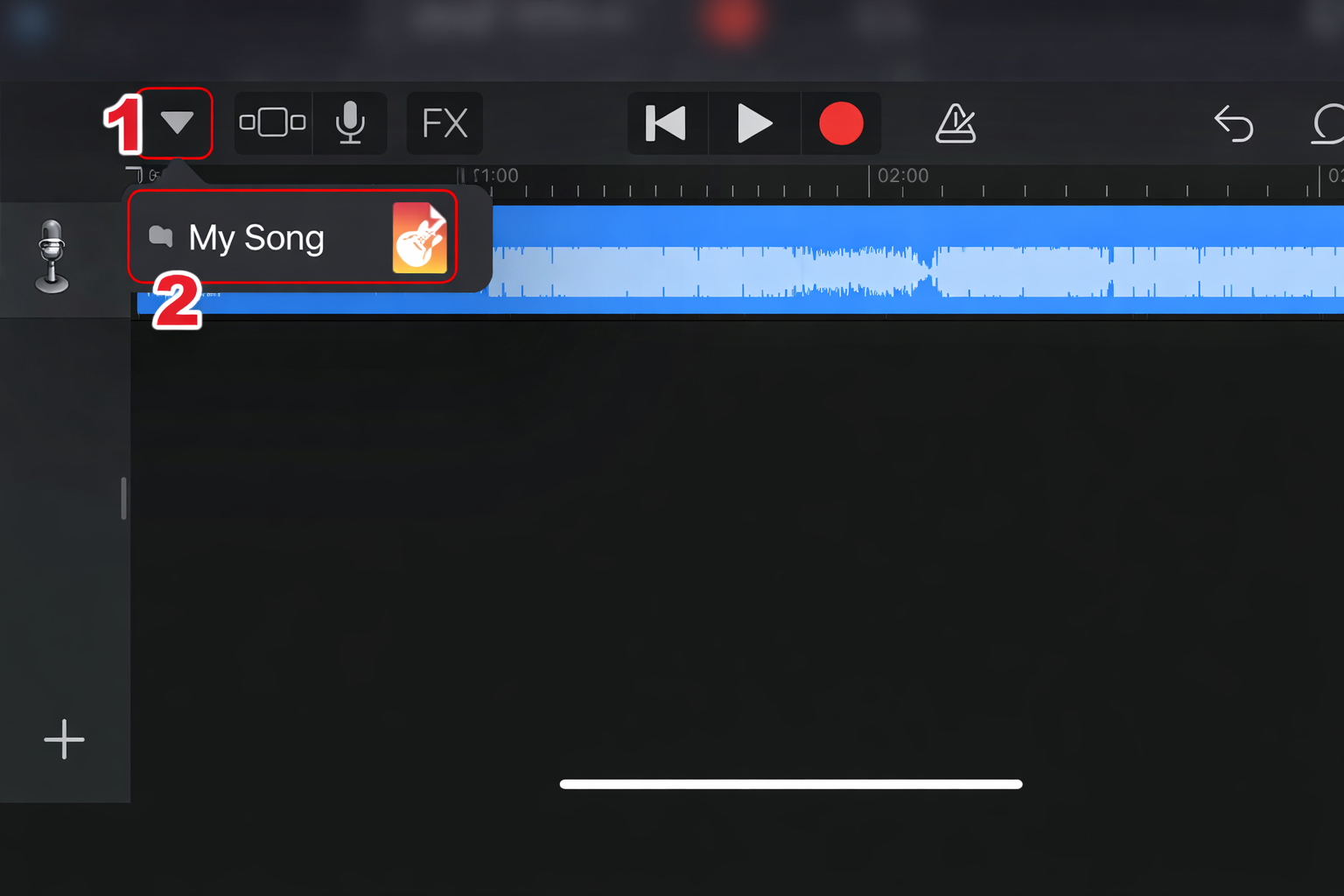
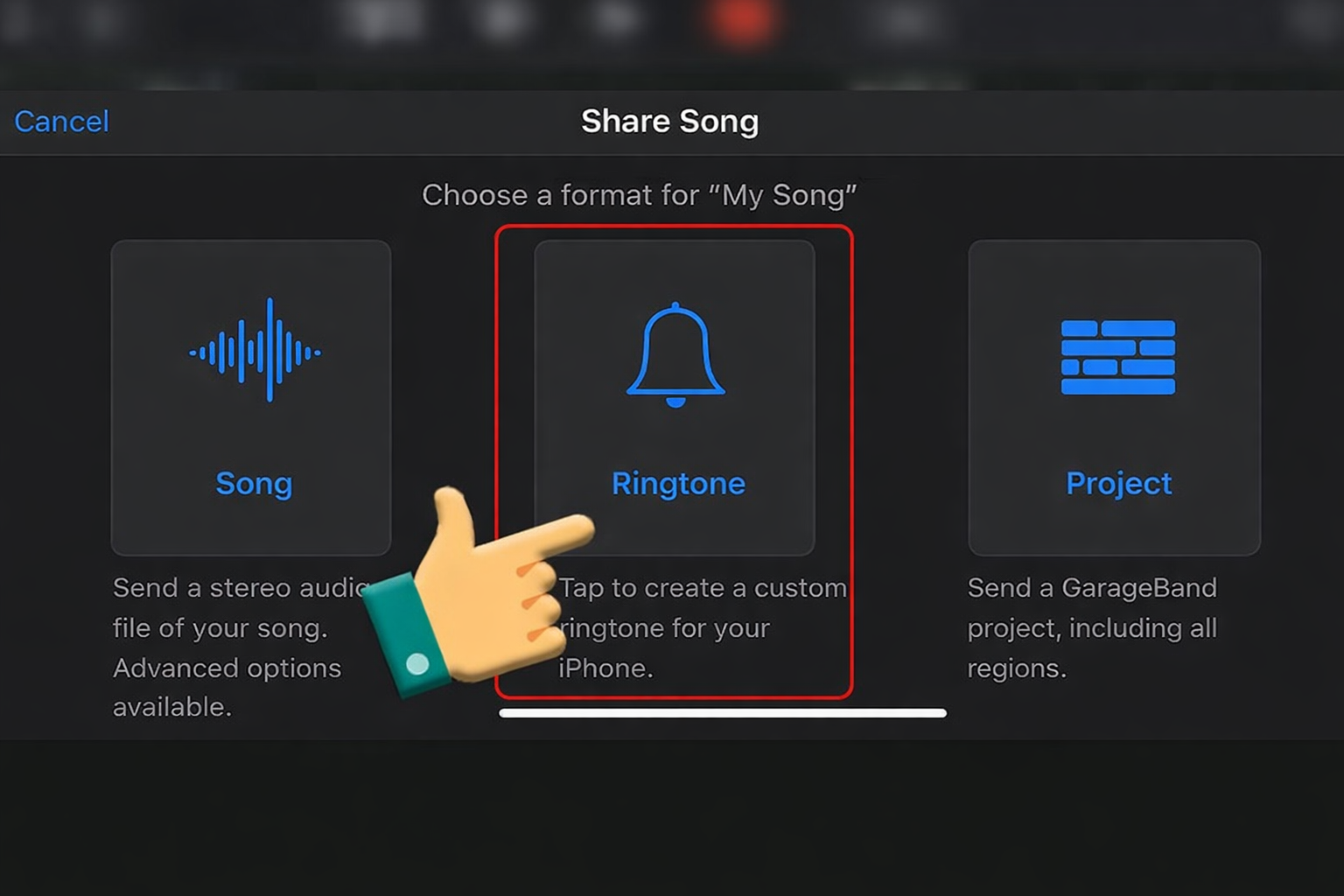
Import → Trim under 30 sec → Share as Ringtone → Export.








Variations & When to Use Them
| Version | Best Situation |
|---|---|
| Upbeat YouTube-style | Professional content ending |
| Meme Outro | After chaotic or cringe moments |
| Cinematic Fade | Emotional storytelling |
| Hard Cut Beat Drop | Comedic abrupt ending |
Choosing the right outro defines your brand tone.
FAQ
Is Outro Song copyrighted?
Many outro tracks are copyrighted. Use royalty-free music libraries for monetized content.
What’s the ideal length?
5–10 seconds is optimal for short-form. 15–20 seconds for YouTube end screens.
Should outro music always fade?
Not necessarily. Hard cuts are powerful for meme edits.
Videos Viral Using Outro Song Soundboards
Below are some of the top trending TikTok and Facebook videos that use Outro Song soundboards to create strong closing moments. From gaming fails and chaotic skits to ironic confession clips, creators use outro music to signal “episode over” energy.
When used correctly, an outro doesn’t just end the video — it controls the final emotion the audience leaves with.