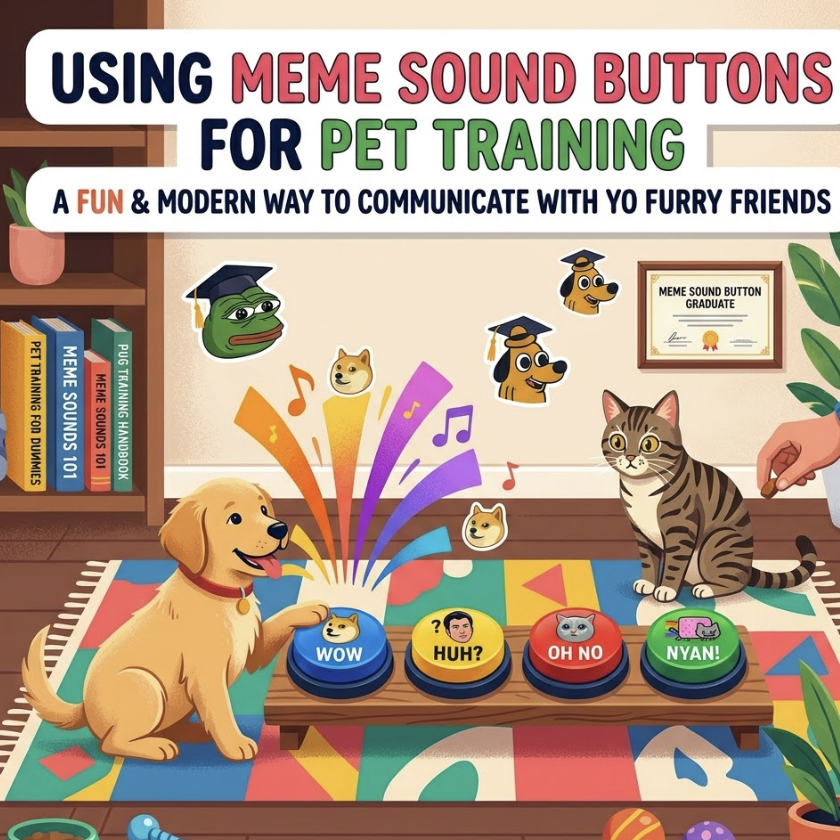
Using Meme Sound Buttons for Pet Training
In the ever-evolving landscape of digital interaction, the battle for a pet’s attention is won or lost in milliseconds. For years, trainers relied on simple wooden clickers or vocal commands to shape behavior. However, as we navigate the “Attention Economy” of 2026, a significant shift has occurred. Data now shows that using high-fidelity meme sound buttons is no longer just a viral trend—it is a fundamental rule for consistent training success. If you want to lower the “confusion rate” and keep your furry companion engaged, you need to understand the strategic shift from “monotone commands” to “surgical audio cues.”
The Death of the “Vocal Loop”
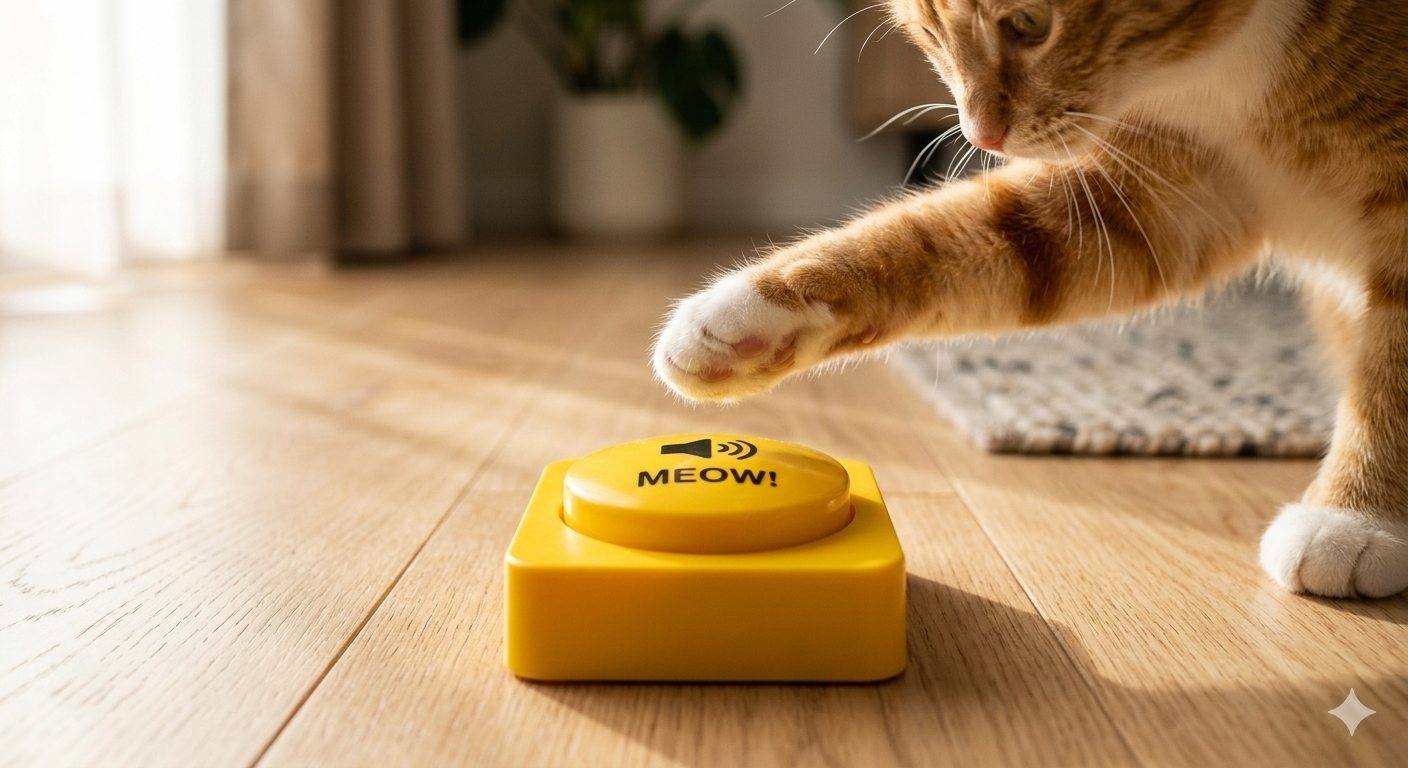
In the early days of pet ownership, repeating “Sit” for ten minutes might eventually yield results. Today, that strategy is a recipe for high abandonment rates—on the pet’s part. According to research on domestic animal behavior, pets often tune out human speech when it becomes repetitive white noise. Long vocal loops create a “flatline” experience where the animal fails to distinguish a command from background chatter. Sound bites, such as a crisp M e o w ~, act as “scroll-stoppers” for your pet’s brain. They provide the clear, distinct stimulation required to satisfy a modern pet’s attention span and trigger an immediate cognitive response.
Identifying High-Velocity Training Cues
To effectively build a communication board for your pet, you must target sounds that have high “velocity”—the speed at which your pet associates the sound with an action or reward. You aren’t just looking for noise; you are looking for specific frequencies that cut through office or household hum.
A reaction that gets an immediate ear-perk is a clear signal for a training button. While “Food” and “Outside” are standard, adding emotional nuance—like a sad meow song to indicate when they are feeling lonely or bored—adds a layer of “Helpful Content” to your pet’s life. By monitoring your pet’s natural vocalizations, you can identify which audio triggers provide the fastest path to a successful command.
Precision Cues and the HCU Standard
The effectiveness of a training button is determined by its clarity. Google’s “Helpful Content” principles suggest that low-quality or muffled inputs provide no real value. To stay effective, your training audio must be surgically clean. If you are recording your own voice or using meme sounds, ensure they are stripped of background noise like the hum of an AC or a distant TV.
The goal is to create a library of 1-to-2-second “audio strikes.” Why confuse your pet with a long sentence when a short, punchy sound effect provides an instant mental reset? To understand the science behind how these distinct frequencies impact animal learning, you can consult the latest studies on the Animal Behavior Society to see how specific pitches influence response times in 2026.
The Digital Radar for Pet Intelligence
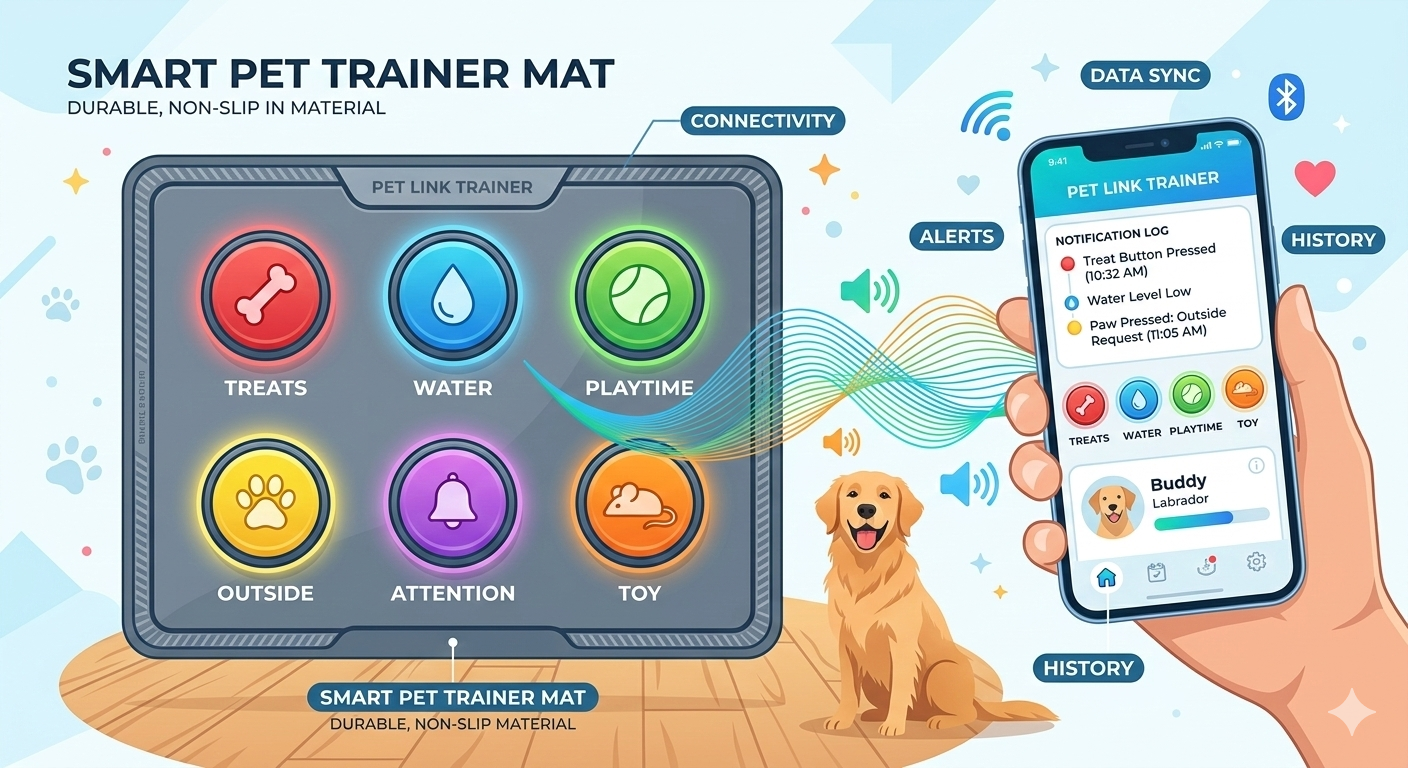
The ultimate goal of using sound buttons is to drive “bilateral communication.” By integrating these buttons into a dedicated floor mat or a custom-built dashboard using Node.js, you can track which sounds your pet uses most frequently. This level of technical automation allows you to notice patterns in your pet’s needs before they become disruptive, giving you a competitive edge in household harmony. Imagine a system where your pet triggers a “play” sound, and it automatically notifies your phone—turning a simple meme into a sophisticated digital bridge.
Curation Over Clutter
In 2026, the most successful pet parents are those who combine empathy with technical efficiency. Training with meme sounds is about building a digital radar for your pet’s personality. Don’t just flood the floor with buttons; filter the noise and focus on the triggers that offer the highest “return on interaction.” This ensures that every time your pet presses a button, they are delivering a high-impact message that keeps the bond alive and the training sharp.