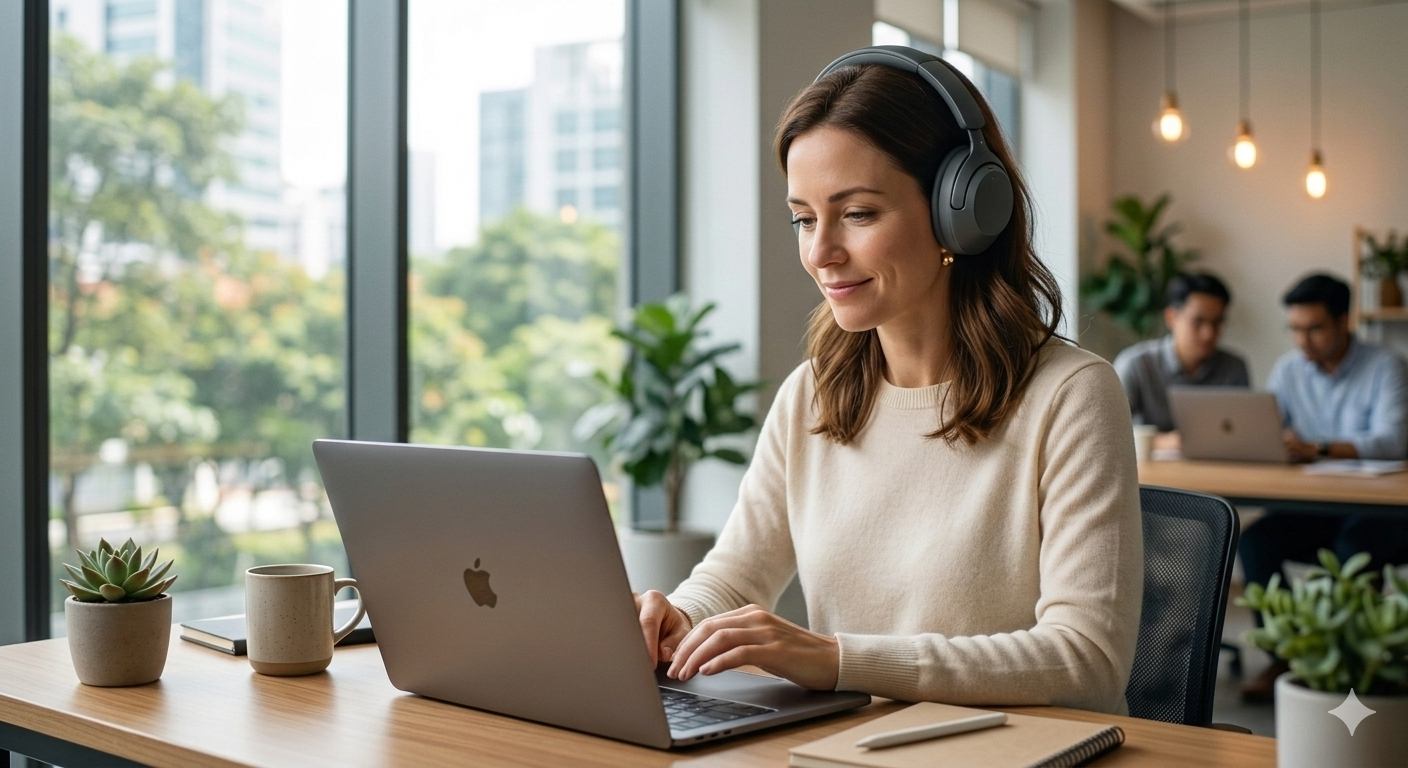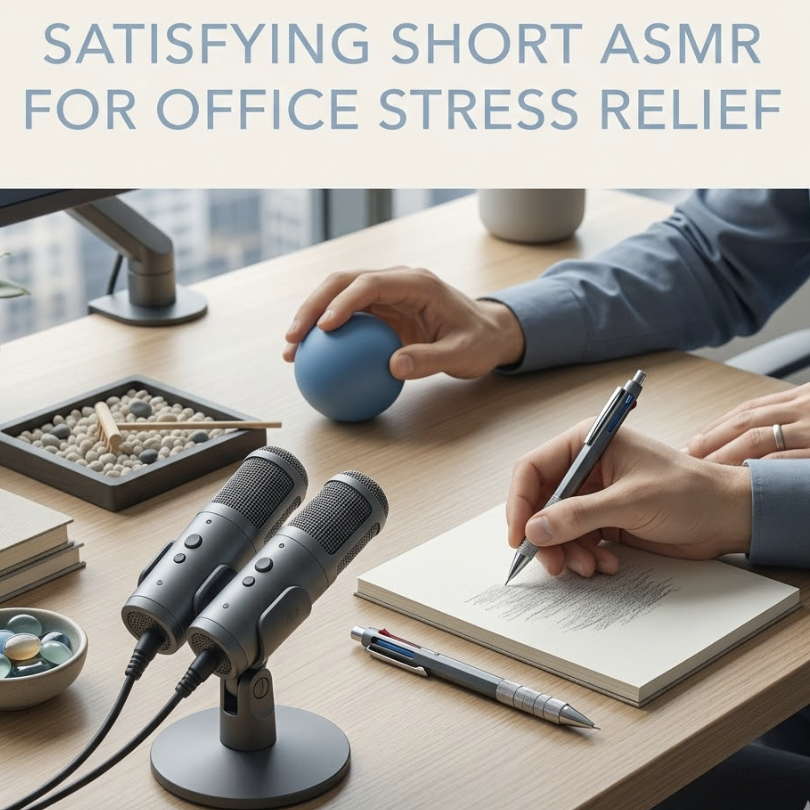
Satisfying Short ASMR for Office Stress Relief
In the modern corporate landscape of 2026, the battle for mental clarity is won in the small gaps between meetings. For years, office workers relied on hour-long “white noise” videos or lo-fi playlists to drown out the hum of open-plan offices. However, as we navigate the “Attention Economy,” a significant shift has occurred toward “Surgical Audio Relief.” Data now shows that short, high-impact ASMR sound bites are no longer just a trend—they are a fundamental tool for maintaining cognitive performance and lowering cortisol levels in high-pressure environments.
The Death of the “Hour-Long Ambient Track”
In the early days of digital wellness, a 60-minute “rain sounds” video was the standard for focus. Today, that strategy often leads to auditory fatigue. When a sound never changes, the brain eventually tunes it out or, worse, begins to perceive it as part of the background stress. Short ASMR bites, much like the melancholic sting of a Mouse Click Sound, act as “brain-resetters.” They provide the immediate sensory stimulation required to break a stress loop, satisfying the modern human need for quick, effective mental transitions.
Phase 1: Identifying High-Velocity Stress Relievers
To build an effective office ASMR toolkit, you must target sounds that trigger an immediate physiological response—the “tingle” or a deep exhale. You aren’t looking for complex melodies; you are looking for “velocity”—the speed at which a sound can shift your nervous system from “fight or flight” to “rest and digest.”
Key high-velocity sources include the crisp click of a mechanical keyboard, the rhythmic bubbling of a water cooler, or the specific “thud” of a luxury notebook closing. By monitoring your own biological reactions, you can identify which “audio triggers” provide the fastest relief during a frantic workday.
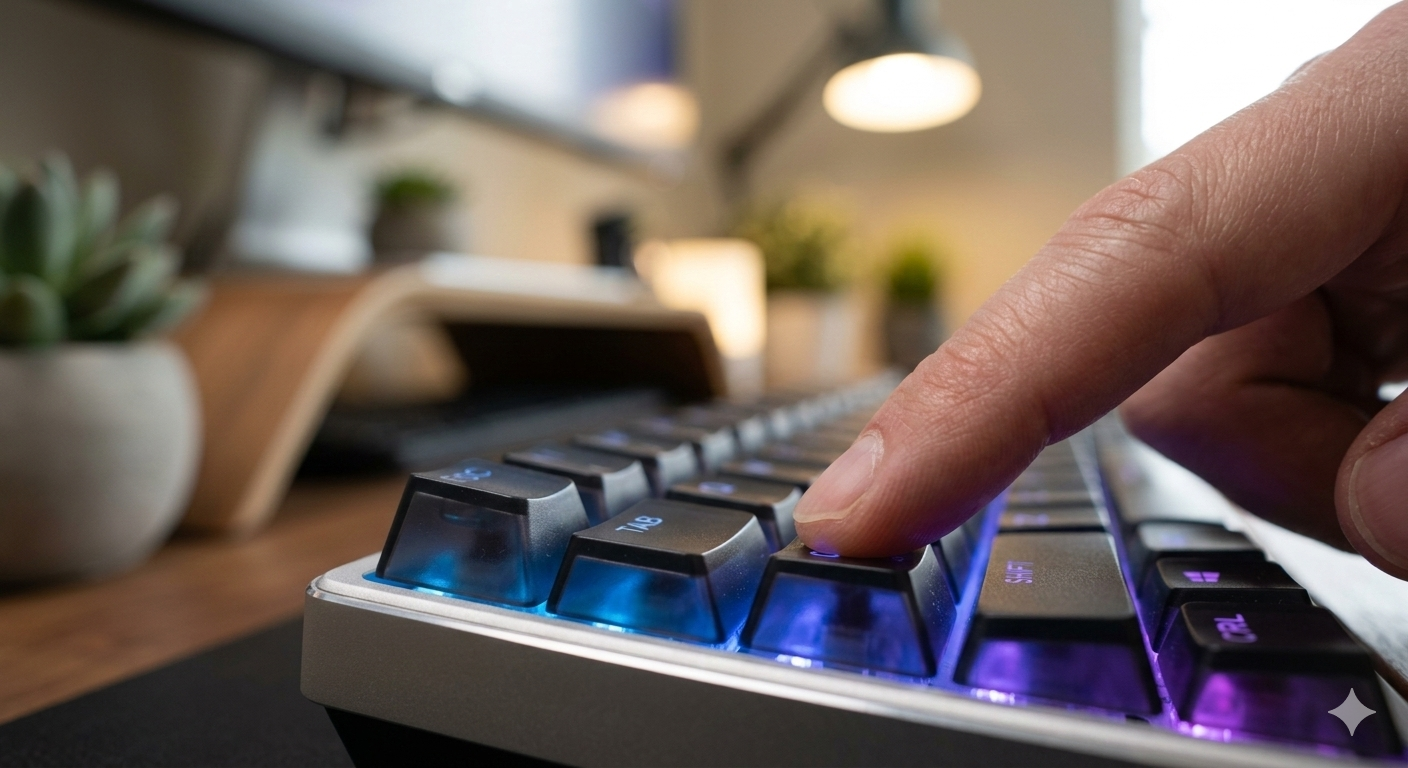
Phase 2: Precision Engineering and the HCU Standard
The effectiveness of an ASMR bite is determined by its fidelity. Google’s “Helpful Content Update” (HCU) logic applies here: “thin” or low-quality audio provides no real value and can actually increase irritation. To stay effective, your office sounds must be surgically clean. Using professional libraries or high-end mobile recording tools, you must strip away the “noise” of the office—the distant copier or the hum of the AC—to leave only the pure, tactile sound of the trigger.
The goal is to create a library of 5-to-10-second clips. Why listen to a long meditation track when a 3-second clip of a “perfectly sharpened pencil on paper” provides an instant mental reset? To see how these short clips compare to broader global trends, you can check the latest data on Acoustical Society of America to understand how specific frequencies impact workplace productivity.
Phase 3: The Digital Radar for Workplace Wellness
The ultimate goal of using short ASMR is to drive personal “uptime.” By integrating these sounds into a simple web-based dashboard or a private Discord bot using Node.js, you can ensure your “Stress Relief” buttons are always accessible. This level of technical automation allows you to trigger a “Micro-Break” the moment a deadline becomes overwhelming, giving you a competitive edge in maintaining long-term focus without the burnout.
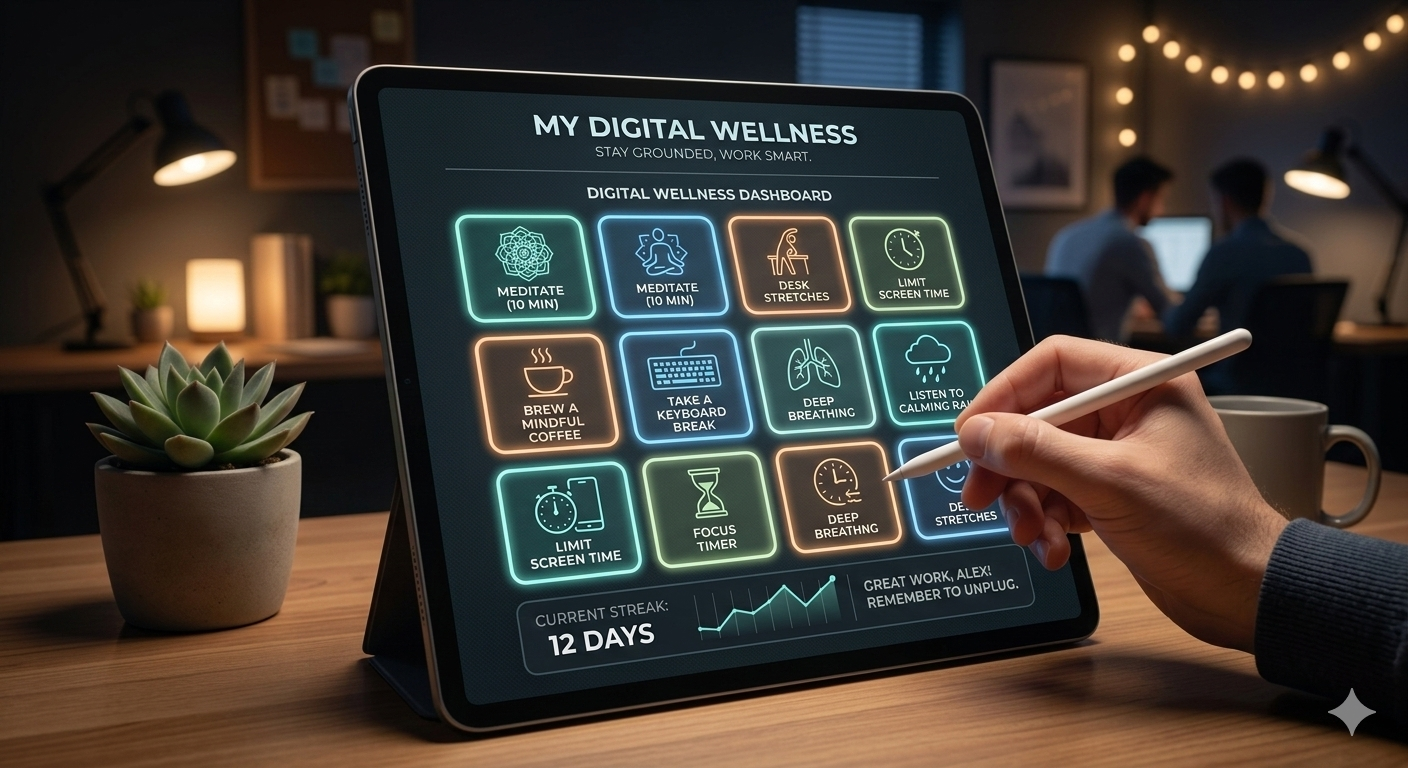
Phase 4: Curation Over Auditory Clutter
In 2026, the most productive professionals are those who combine self-care with technical efficiency. Building an office ASMR soundboard is about building a digital radar for your own well-being. Don’t just collect every sound; filter the noise and focus on the triggers that offer the highest “return on relaxation.” This ensures that every time you click, you are delivering a high-fidelity, high-impact moment that clears the mental fog and prepares you for the next task.