
Boost Facebook Reels with Savage Sound Tip: The Ultimate Engagement Guide
In the rapidly evolving landscape of social media, Facebook Reels has emerged as a powerhouse for short-form video content. With billions of views happening daily, the competition for attention is fierce. Creators often focus on high-end transitions or expensive cameras, but there is a “secret sauce” that many professionals use to skyrocket their engagement: audio.
Specifically, using a Boost Facebook Reels with Savage Sound Tip can transform a mediocre video into a viral sensation. In this guide, we will explore how to use “savage” or “trolling” sounds to stop the scroll, increase retention, and force your audience to hit that share button.
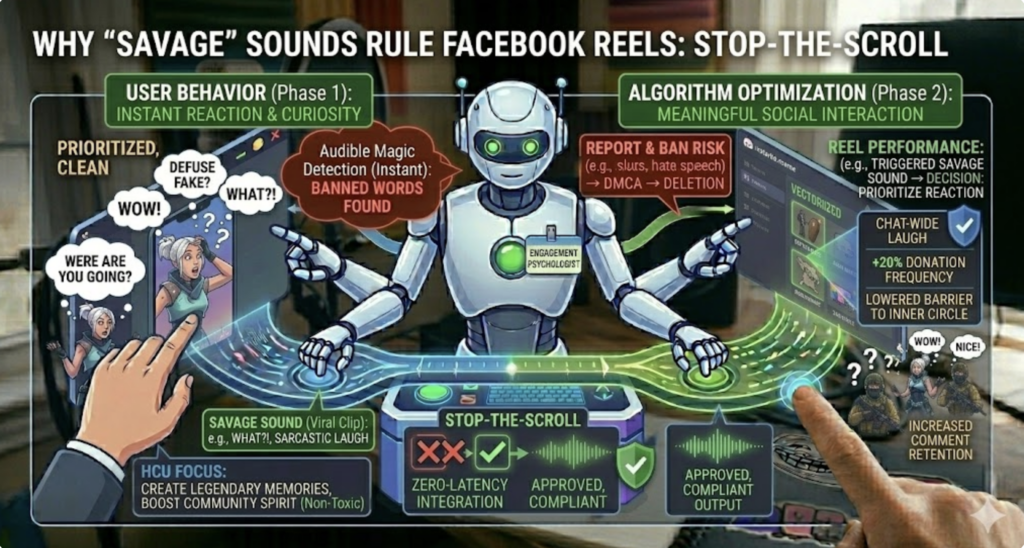
1. Why “Savage” Sounds Rule Facebook Reels
The Facebook algorithm functions differently than TikTok or Instagram. Facebook prioritizes “meaningful social interaction.” This means if a video prompts people to tag their friends or start a conversation in the comments, the algorithm will push it to a wider audience.
Savage sounds—those funny, sarcastic, or perfectly timed “roast” clips—are the ultimate engagement triggers. They create a “Stop-the-Scroll” Factor. When a user hears a familiar meme sound, like a dramatic “What?!” or a sarcastic laugh, their brain automatically pauses to see what caused that sound. By implementing a Boost Facebook Reels with Savage Sound Tip, you are leveraging human curiosity to improve your video’s “Initial Hook.”
2. The Psychology of “Savage” Content
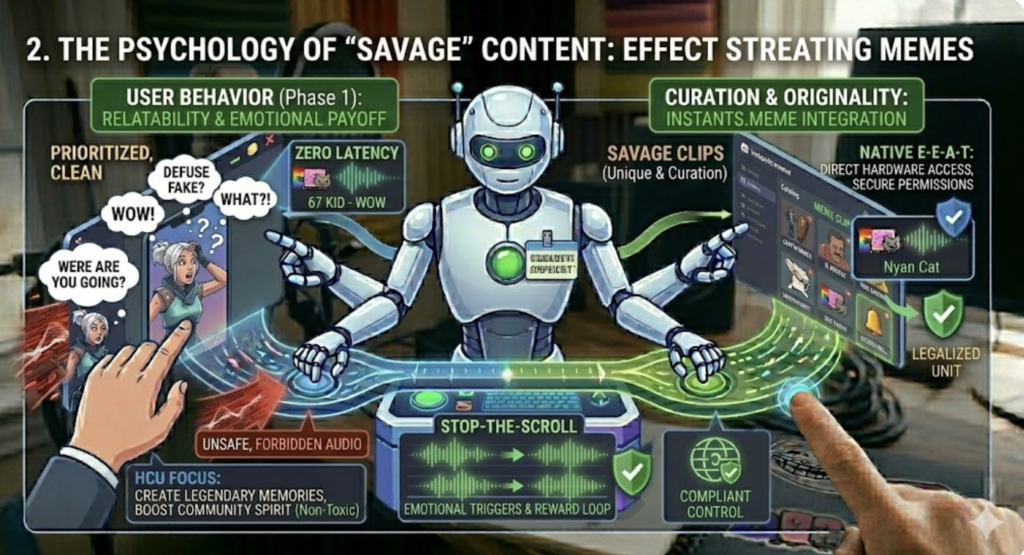
Why do we love “cà khịa” (savage) content? It’s because of Relatability. Most viral Reels depict everyday frustrations—annoying coworkers, slow internet, or awkward social moments. When you add a savage sound to these situations, you provide an “Emotional Payoff.” You are giving the audience a laugh at a situation they’ve experienced themselves.
To find these specific “emotional triggers,” professional creators often source unique clips from platforms like Instants.Meme. Using a unique sound that isn’t already overused on the Facebook “Trending” list gives your content a fresh, original feel that Google’s Helpful Content Update (HCU) rewards.
3. Top Savage Sound Categories for Viral Success
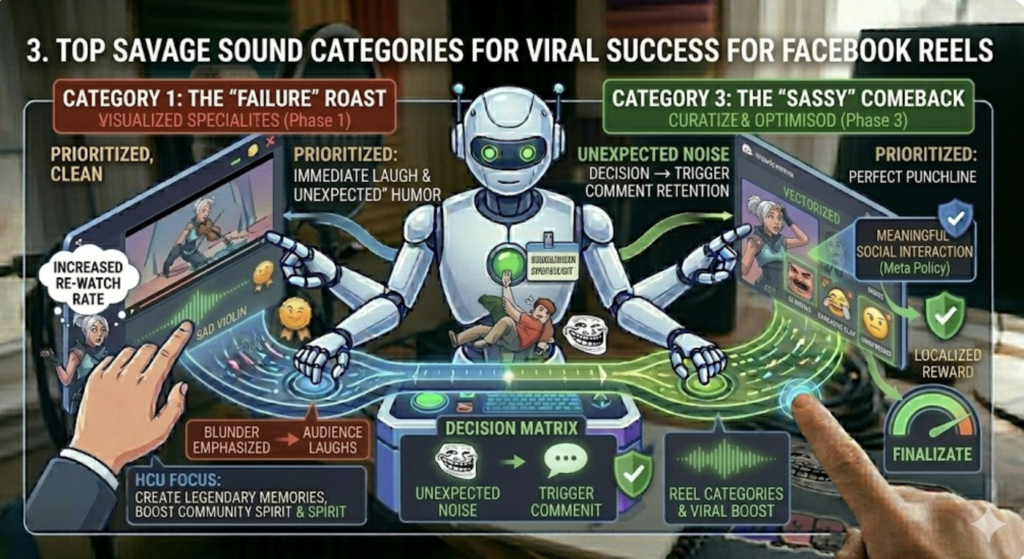
To truly Boost Facebook Reels with Savage Sound Tip, you need to match the audio to the “vibe” of your footage. Here are the most effective categories:
The “Failure” Roast
When something goes wrong in your video, don’t just leave it silent. Use a Fail Horn or a “Sad Violin” to emphasize the blunder. This invites the audience to laugh with you (or at you), which significantly increases the “Re-watch” rate.
The “Unfiltered” Humor
Sometimes, the best way to be savage is to be completely unexpected. For slapstick comedy or “fails” involving physical movement, nothing beats the classic, immature charm of a Fart Soundboard. While it sounds simple, the “unexpected noise” factor often triggers an immediate laugh and a comment like “I wasn’t expecting that!”—which is gold for the algorithm.
The “Sassy” Comeback
If your Reel involves a dialogue or a “POV” (Point of View) scenario where you are responding to someone, use a “Savage Response” clip. Quotes from famous movies or viral TikTok stars acting unimpressed can serve as the perfect punchline.
4. Technical Mastery: The 3-Second Rule
The most important Boost Facebook Reels with Savage Sound Tip is the 3-Second Rule. On Facebook, you have less than three seconds to capture a viewer’s interest before they swipe up. Experts at Social Media Examiner emphasize that the first 3 seconds determine whether a video will go viral or fail.
The Hook: Your “Savage Sound” should ideally hit within the first 1.5 to 2 seconds.
Volume Balancing: Ensure your background music is at 10-15% volume, while your “Savage” sound effect is at 80-90%.
Syncing: Use a mobile-friendly video editor like CapCut to line up the “beat” of the sound exactly with the visual action. A 0.1-second delay can ruin the comedic timing.
5. Strategy: How to Trigger the Comment Section
Engagement isn’t just about likes; it’s about comments. To get people talking, you can use sounds to create a “Did he just…?” factor.
Tag-a-Friend CTA: At the end of a savage Reel, use a sound that asks a question or makes a bold statement, then add a text overlay saying “Tag a friend who would do this.”
The “Cliffhanger” Sound: Use a suspenseful meme sound and cut the video right before the “reveal.” This frustrates and amuses viewers enough to comment, “Show us the rest!”
Unique vs. Trending: While using trending audio helps, mixing in a unique clip from the Fart Soundboard or a niche movie quote makes your content stand out. Google’s HCU values original, helpful content that isn’t just a carbon copy of what everyone else is doing.
6. Avoiding “Low-Quality” Flags (HCU & Safety)
To ensure your Reels keep getting distributed, you must maintain quality. Facebook’s AI can detect “low-value” content.
Audio Clarity: Avoid using sounds that are muffled or have “static” noise. Always download high-quality .mp3 files from trusted sources like Instants.Meme.
Context Matters: Make sure your “cà khịa” is playful, not hateful. Avoid sounds that contain slurs or aggressive bullying, as these will get your Reel shadowbanned.
Over-Editing: Don’t put a sound effect every 2 seconds. Space them out so the “Savage” punchline actually feels impactful.
7. Conclusion: Silence is Boring
If you want to grow on Facebook in 2026, you cannot afford to be boring. By applying the Boost Facebook Reels with Savage Sound Tip, you are giving your audience a reason to stop, watch, and interact. Audio is 50% of the video experience—don’t treat it as an afterthought.
Whether you are using a sophisticated “Sassy” comeback or a hilarious clip from a Fart Soundboard, the goal is the same: create a moment of joy or surprise.