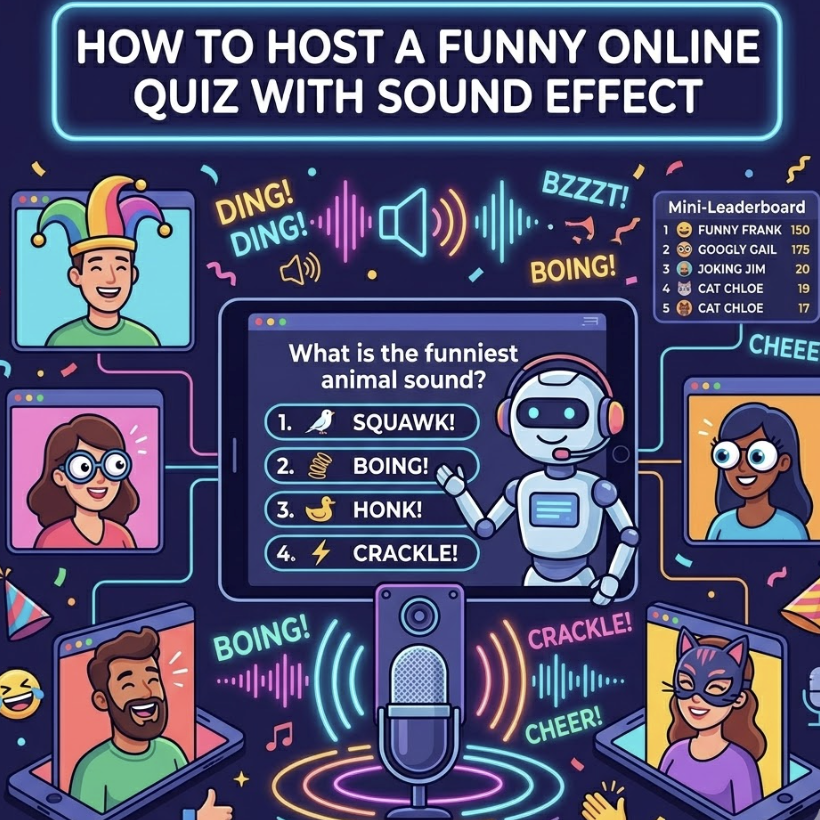
How to host a funny online quiz with sound effect
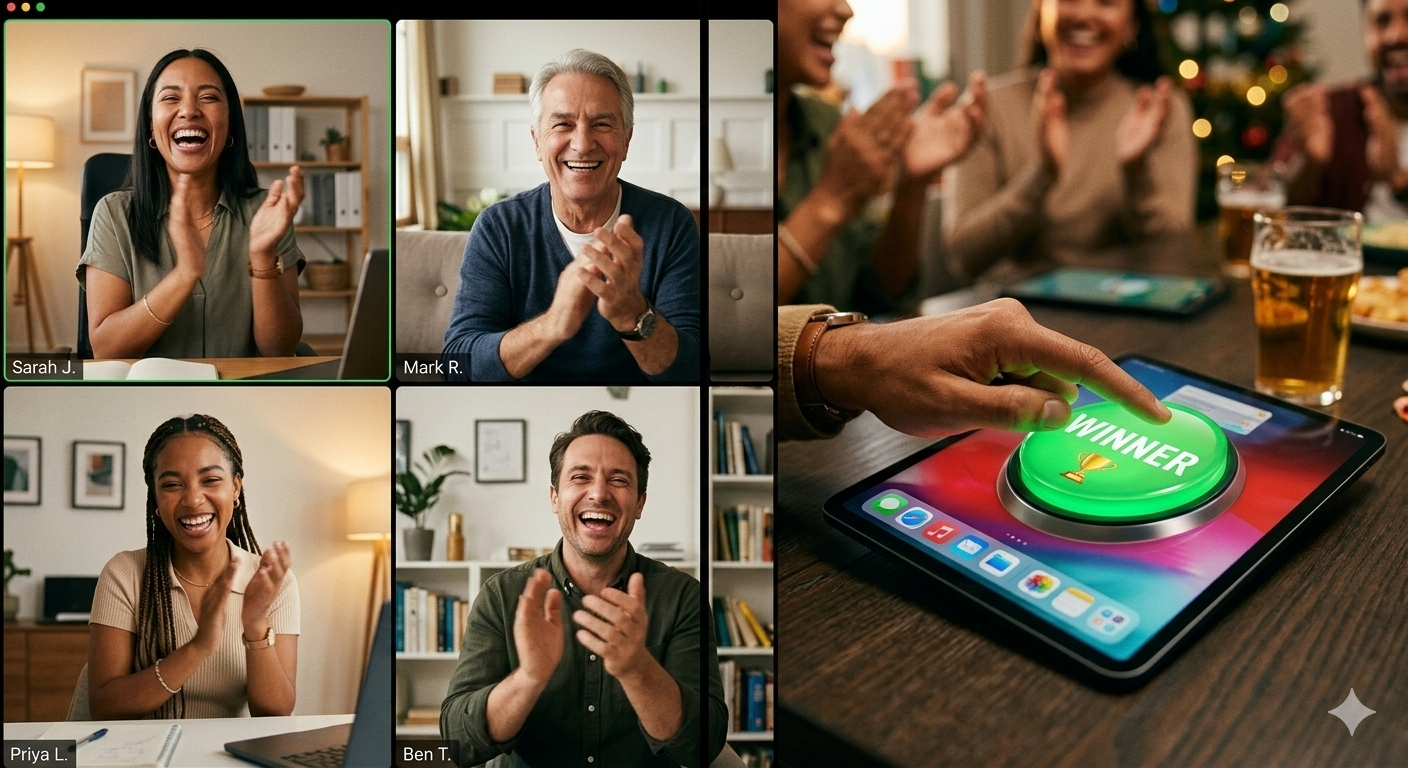
In the digital landscape of 2026, the battle for engagement during virtual events is won or lost in the first few minutes. For years, organizers relied on static slides and monotone delivery to host online trivia. However, as we navigate the “Attention Economy,” a significant shift has occurred. Data now shows that using interactive audio is no longer a theory—it is a fundamental rule for social success in virtual gatherings. If you want to lower the “boredom rate” and keep your participants glued to their screens, you need to understand the strategic shift from “silent presentations” to “surgical audio strikes.”
The Death of the “Quiet Quiz”
In the early days of remote work, a 30-minute Zoom quiz could get away with just a host reading questions. Today, that strategy is a recipe for participants multi-tasking or dropping out. According to research on digital consumer behavior, users often skim content looking for immediate value and high-energy interaction. Silent gaps between questions often create a “flatline” experience. Sound effects, such as a sharp ding sound effect, act as “scroll-stoppers” for the ears. They provide the constant stimulation required to satisfy the modern human attention span, which has notoriously shrunk in the era of short-form media.
Identifying High-Velocity Reaction Sounds
To effectively organize a quiz that resonates, you must target sounds that trigger an immediate emotional response. You aren’t just looking for noise; you are looking for “velocity”—the speed at which a sound can shift the room’s energy.
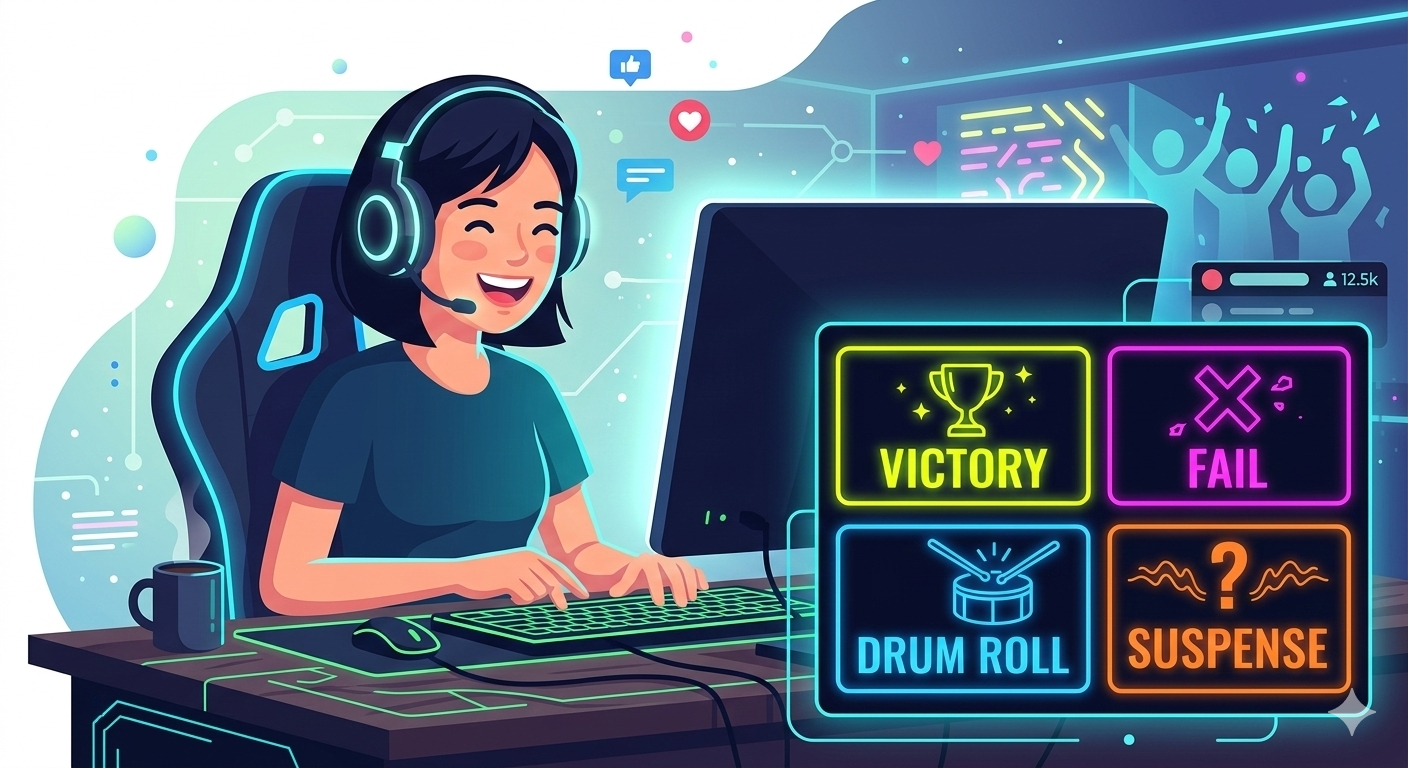
The most successful quizzes utilize a Core Sound Effect library to mark transitions. Whether it’s a “Fail Buzzer” for a wrong answer or a “Drum Roll” for the final leaderboard reveal, these sounds provide the structure that keeps the audience engaged. By monitoring the “vibe” of your group, you can identify which sounds—from classic sitcom laugh tracks to viral TikTok audios—provide the fastest path to a laugh.

Technical Execution and the HCU Standard
The effectiveness of your quiz sounds is determined by their timing and clarity. Google’s “Helpful Content Update” (HCU) principles remind us that low-quality, “thin” production provides no real value. To stay professional, your audio must be crisp and integrated seamlessly.
Instead of holding your phone up to your microphone, use a digital patch cord or a virtual soundboard app. This ensures that every “Correct Answer” chime is delivered with high fidelity. To understand the psychological impact of these triggers, you can refer to resources like National Endowment for the Arts to see how digital media and sound design are being used to enhance community engagement in 2026.
The Digital Radar for Real-Time Hosting
The ultimate goal of using audio in a quiz is to drive real-time momentum. By integrating your soundboard with a web-based dashboard using Node.js, you can trigger reactions the split-second an answer is submitted. This level of automation ensures your hosting feels polished and high-energy. Imagine a system where a “Sad Trombone” automatically plays the moment a team loses its lead—it turns a simple game into a curated digital experience.
Curation Over Chaos
In 2026, the hosts who win are those who combine humor with technical precision. Hosting a hilarious online quiz is about building a digital radar for the room’s mood. Don’t just spam noises; filter the clutter and focus on the sounds that offer the highest “return on laughter.” This ensures that every time you trigger an effect, you are delivering a high-impact moment that keeps the energy of the virtual room alive and competitive.