
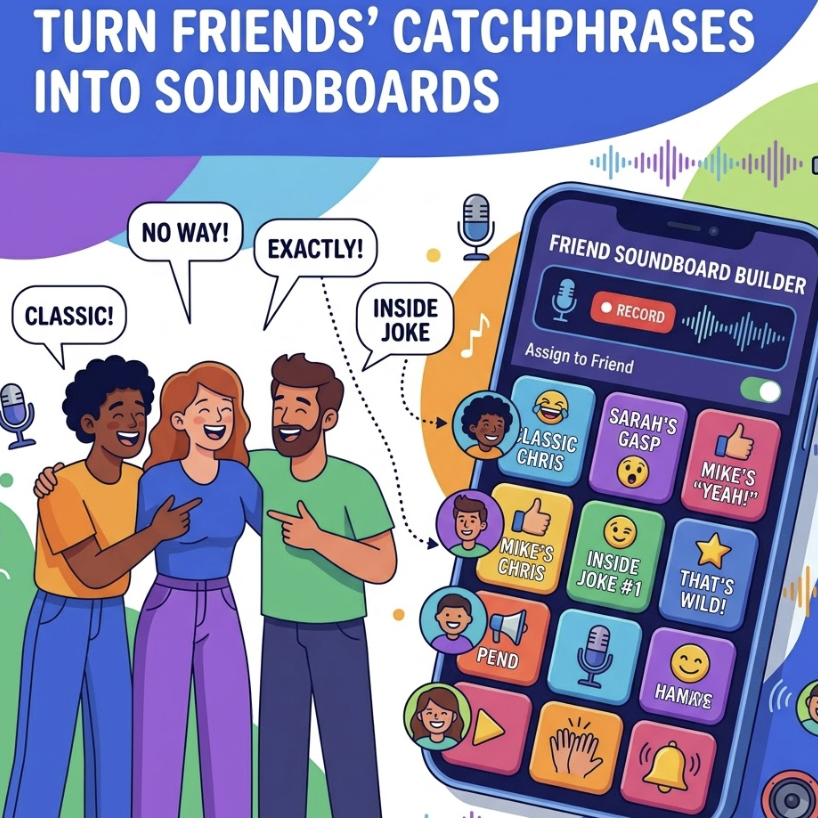
Turn Friends Catchphrases Into Soundboards
In the ever-evolving landscape of digital storytelling, the battle for a viewer’s attention is won or lost in milliseconds. While creators once relied on sweeping background scores to set the mood, we are now navigating the “Attention Economy” of 2026, where a significant shift has occurred. Data now shows that strategic audio hits—or “sound bites”—are no longer just a theory; they are a fundamental rule for viral success. If you want to lower your bounce rate and keep your audience glued to the screen, you need to understand the strategic shift from “atmospheric loops” to “surgical audio strikes”.
The Death of the “Background Loop”
In the early days of digital content, a 10-minute vlog or a long voice note could get away with a lo-fi track playing from start to finish. Today, that strategy is a recipe for high abandonment rates. Users often skim content looking for immediate value, and long music tracks often create a “flatline” experience. When the audio never changes, the brain treats it as white noise, eventually tuning out the entire video. Sound bites, like those found on an india sound, act as “scroll-stoppers”. They provide the constant stimulation required to satisfy the modern human attention span, which has famously shrunk to less than that of a goldfish.
Phase 1: Harvesting “Gold” from Group Chats
To effectively build a soundboard that resonates, you must target platforms where memes and inside jokes are born. Whether it’s a specific subreddit or a chaotic group chat, you are looking for “velocity”—the speed at which a sound or phrase gains engagement. A reaction that gets an immediate laugh or a flurry of replies is a clear viral signal. To understand the global context of what makes a sound bite successful, you can monitor rising search volumes on Google Trends, which helps identify if a specific search volume is increasing globally.
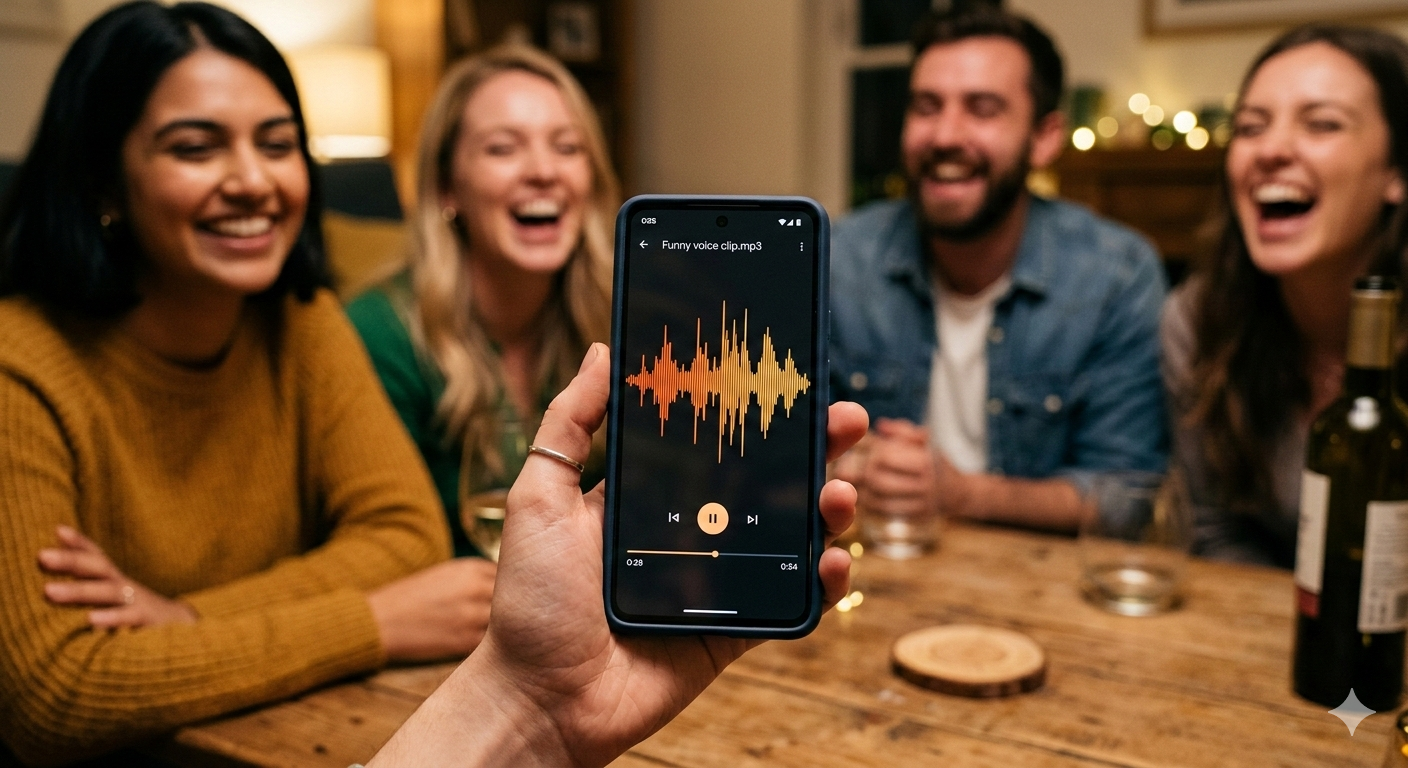
Phase 2: The Art of the Surgical Audio Strike
Once you have captured the raw audio, you enter the post-production phase. Google’s Helpful Content Update (HCU) principles remind us that “thin” or low-quality content is quickly ignored. To stay relevant, your sounds must be crisp. Using free online tools or simple AI-driven noise reducers, you can strip away the background hum of a crowded cafe or wind noise from an outdoor trip.
The goal is to create a library of .mp3 or .wav files that are short, punchy, and instantly recognizable. Why settle for a 30-second story when a 1.5-second clip of your friend screaming “Đỉnh luôn!” (Absolutely peak!) provides more immediate value?
Phase 3: Selecting Your Digital Engine
Choosing the right platform to host your soundboard is crucial. If you want a real-time experience where the whole squad can access the sounds at a moment’s notice, a web-based dashboard is superior. For those with a technical lean, using Node.js to build a simple interface allows for asynchronous tasks—like updating the board the second a new joke drops.
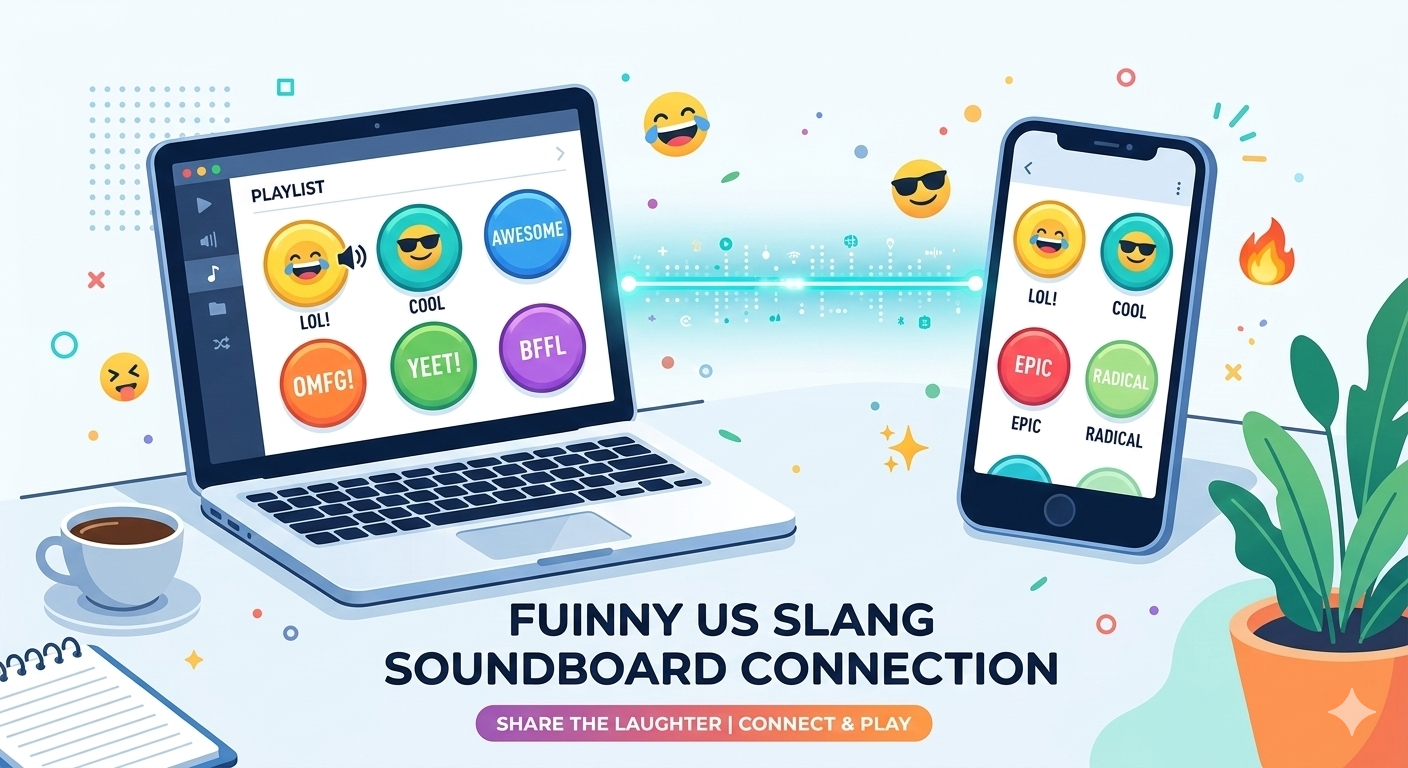
Phase 4: Curation Over Duplication
To maintain a competitive edge and avoid “clutter fatigue,” your automation and curation should focus on quality. Don’t just collect everything. Use your intuition to filter out the noise and keep only the sounds that have reached “peak” status. By integrating your custom sounds with your daily interactions—whether it’s a Bluetooth speaker at a party or a Soundpad on Discord—you ensure your squad’s culture is always curated and high-energy.
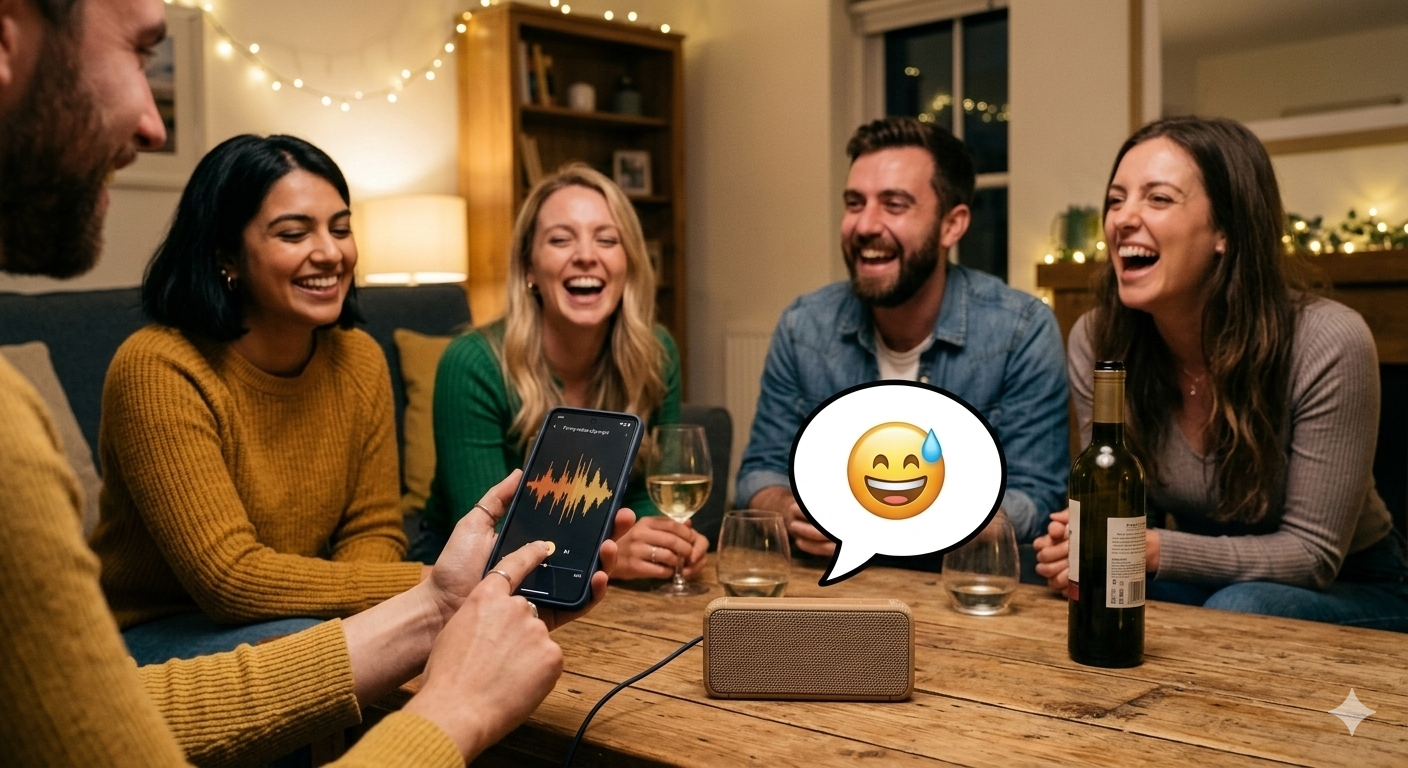
The Future of Social Engineering
In 2026, the creators and friend groups who win are the ones who combine personal creativity with technical execution. When you build a private soundboard, you aren’t just saving audio files; you are building a digital radar for your shared history. Start small. Capture one catchphrase. As you refine your library, you’ll find that you spend less time explaining the joke and more time living it.